· 4 min read
What Is a Traditional African Spiritual Consultation?

Many people have heard of traditional healers or spiritual advisors, but few have a clear picture of what a consultation actually involves. The idea can feel unfamiliar, especially if you did not grow up around these practices.
This article explains, in plain terms, what a traditional African spiritual consultation is, the kinds of matters people bring to one, and how it sits alongside the help you might receive from qualified professionals.
A conversation rooted in tradition
At its heart, a spiritual consultation is a private conversation with a traditional practitioner. You describe what is on your mind, and the practitioner listens, asks questions and offers spiritual guidance drawn from their tradition.
In many African traditions, a person’s wellbeing is understood as connected to family, community, ancestors and the wider spiritual world. A consultation reflects that view. It looks at your situation as a whole rather than as a single isolated problem.
Practices vary a great deal across regions, languages and communities, so no single description fits every tradition. What they often share is respect for elders, for ancestral wisdom and for the person seeking help.
What people bring to a consultation
People seek spiritual guidance for many reasons. Some come at a turning point in life. Others feel unsettled and want a traditional perspective on what they are experiencing.
- Relationship and family matters, including love, marriage and reconciliation
- A wish for spiritual cleansing or a sense of a fresh start
- Protection and peace of mind for themselves or their home
- Guidance around work, business and prosperity
- Questions about ancestry, heritage and traditional practice
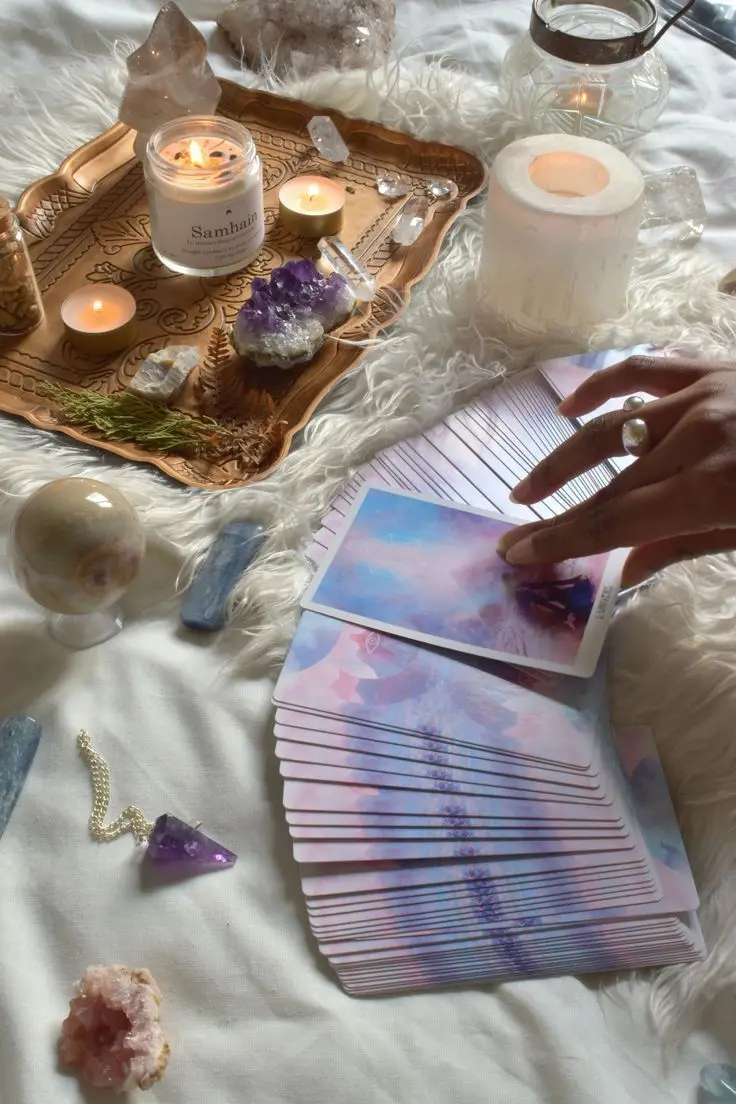
- A reading to reflect on a decision or a period of change
Every person’s situation is different, so the conversation is shaped around what you choose to share.
What may happen during the consultation
A consultation usually begins with listening. The practitioner will want to understand your situation, what you hope for and what you have already tried.
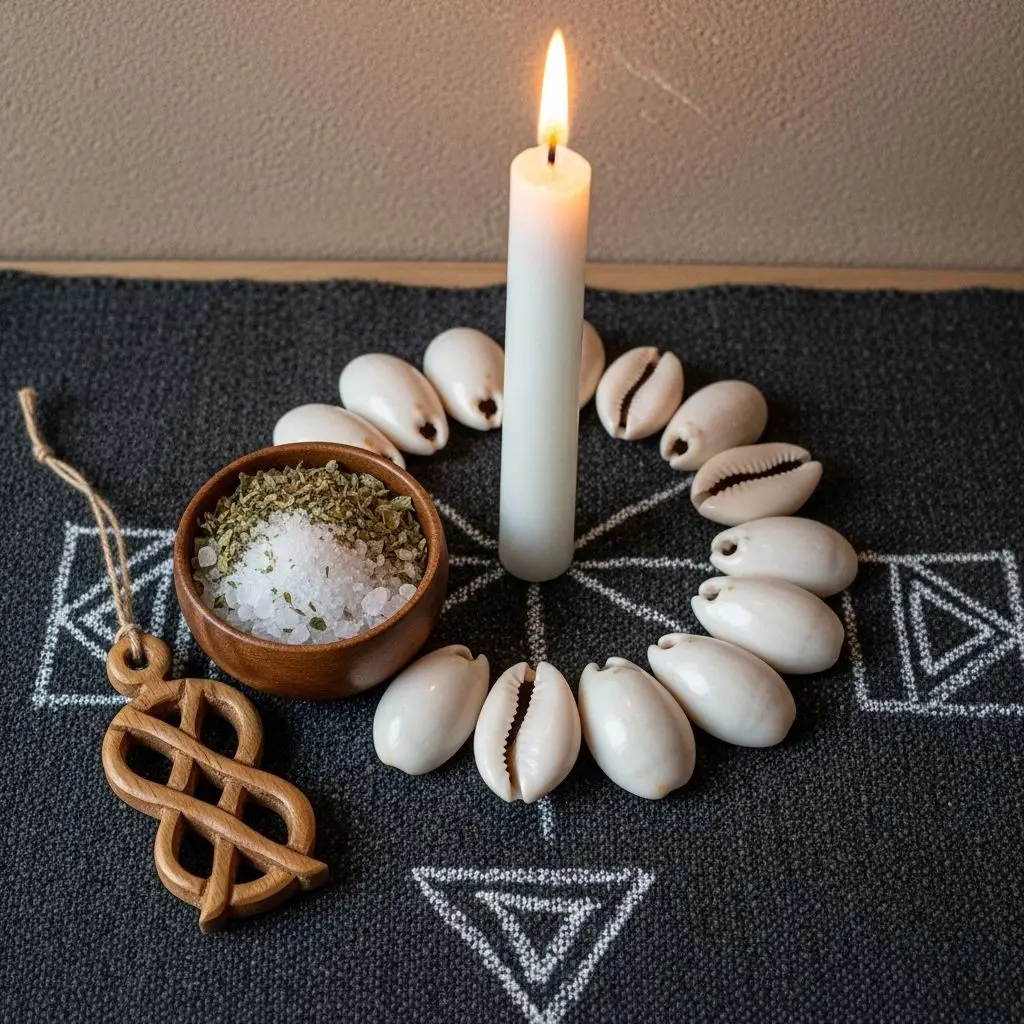
Depending on the tradition and the matter at hand, the practitioner may offer a reading, share guidance, or explain whether a ritual consultation, cleansing or other traditional practice could be relevant. Any such recommendation should be explained clearly so you can decide for yourself.
You are always free to ask questions, take time to think, or decide that a particular practice is not right for you.
Some people leave with a clearer sense of their situation, some with a practice to reflect on, and some simply with the relief of having been listened to. Each of these can be a meaningful part of the experience.
What a spiritual consultation is not
It is important to be clear about limits. A traditional consultation offers spiritual guidance, intention-setting and support. It does not promise a specific outcome, and it cannot control another person’s feelings or choices.
A spiritual consultation is not a substitute for medical, legal, financial or mental-health care. If you are unwell, facing a legal matter, dealing with debt or feeling overwhelmed, please speak to a qualified professional. Traditional guidance can sit alongside that help, never in place of it.
- No guaranteed results for love, money, health or legal matters
- No replacement for doctors, lawyers, financial advisers or counsellors
- No pressure to agree to anything you are unsure about
Privacy and respect
Many people value the discretion of a private consultation. It is a space to speak openly about matters you may not feel comfortable raising elsewhere.
Share only what is needed for the conversation. You never need to send ID documents, bank details or passwords. If you would like to learn more, you can contact Dr Abdul & Mama Nangobi by WhatsApp or phone, and practical details such as timing and cost are confirmed when you get in touch.
Disclaimer: Services described on this website are based on traditional, cultural, and spiritual practices. They are not a substitute for medical, legal, financial, or mental-health professional advice, and no specific outcome is guaranteed. Read the full disclaimer