· 3 min read
What Is a Reconciliation Ritual?

In many African communities, restoring peace after conflict has long been treated as a shared and sometimes sacred task. Families, elders and neighbours often took part in bringing people back into harmony.
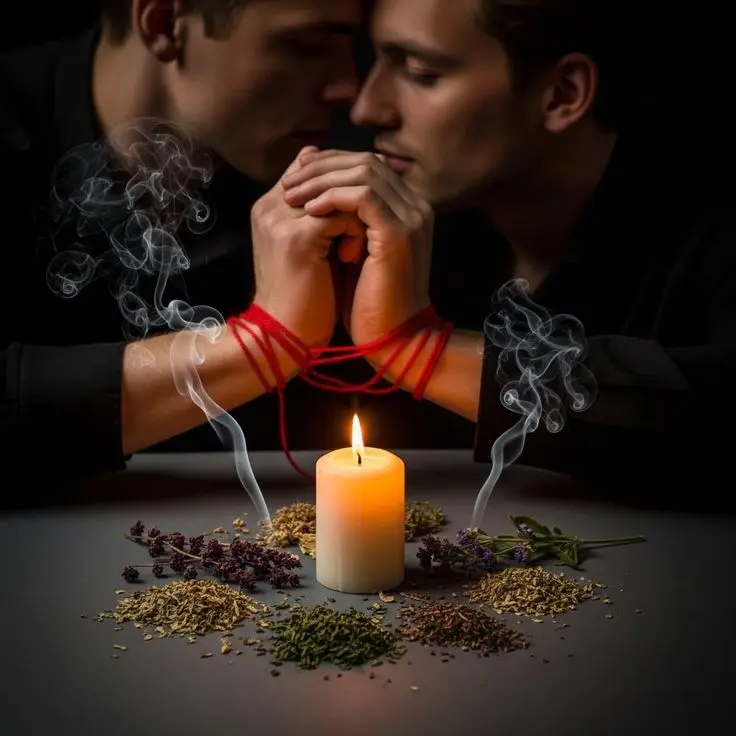
A reconciliation ritual draws on this tradition. It can offer a structured moment for reflection, apology and renewed intention. It cannot, however, make anyone reconcile who does not wish to.
The traditional roots of reconciliation
Community life in many parts of Africa has placed great value on harmony. When a dispute arose between spouses, relatives or neighbours, elders might bring the parties together to talk, listen and agree on a way forward.
These gatherings often ended with a symbolic act, such as sharing food or drink, speaking words of blessing, or acknowledging ancestors. The ritual marked that something had been resolved and that relationships were being renewed.
Importantly, these traditions usually depended on willing participation. Reconciliation was something people chose to take part in, with the support of those around them.
What a reconciliation ritual may involve
Every practitioner and tradition is different, but a reconciliation consultation commonly includes:
- A private conversation about what happened and how you feel
- Reflection on your own part in the conflict, and what you have learned
- Guidance on how to approach the other person respectfully, if they are open to it
- Words of blessing or prayer for peace and clarity
- A symbolic act that marks your intention to let go of bitterness
The focus is on your own heart and conduct. That is often where real change begins.
A practitioner may also ask about the wider context, such as family involvement, cultural expectations, or pressures from outside the relationship. These can shape a conflict as much as the people directly involved.
Reconciliation needs two willing people
Reconciliation, by its nature, involves both sides. A ritual cannot make another person return, forgive or agree to rebuild a relationship. Their choice remains their own.
Where both people are willing, a ritual can mark a new beginning and help them approach each other with patience. It can also be a way for both sides to show that they are committed to a more respectful way of relating. Where the other person is not willing, reconciliation guidance can help you find peace, release resentment and move forward.
If someone has ended contact or asked not to be contacted, please respect that decision. Spiritual guidance should never be used as a reason to keep pursuing a person who has stepped away.
Beyond romantic relationships
Reconciliation is not only about couples. People also seek guidance around:
- Tension between parents and children
- Disputes between siblings or extended family
- Broken friendships
- Conflict within a household or community
In each case, the aim is the same: reflection, respect and, where possible, peace. Dr Abdul & Mama Nangobi offer these private consultations by WhatsApp or phone for local and international clients.
Reconciliation with yourself
Not every reconciliation ends with two people coming back together. Sometimes the most important peace is the one a person makes with their own past.
Traditional reconciliation guidance can help with this inner work. It may involve reflecting honestly on what went wrong, acknowledging hurt on both sides, and releasing anger that has become heavy to carry.
This kind of reflection is valuable whatever the other person decides. It allows you to move forward with dignity and to approach future relationships with greater understanding.
There is no fixed timetable for this. Some people find peace quickly, while for others it unfolds gradually over many months. Where the pain feels overwhelming, a qualified counsellor or mental-health professional can offer support alongside spiritual guidance.
Disclaimer: Services described on this website are based on traditional, cultural, and spiritual practices. They are not a substitute for medical, legal, financial, or mental-health professional advice, and no specific outcome is guaranteed. Read the full disclaimer