· 3 min read
Understanding Love Rituals in African Tradition

Across many African communities, matters of the heart have long been treated as more than private feelings. Love, courtship and partnership touch families, elders and the wider community, and traditional practice has developed ways of marking and supporting them.
Online, these practices are often described as “love spells”. That phrase can create unrealistic expectations. This article looks at what love rituals mean in a traditional setting, what role they play, and why they are best understood as spiritual guidance and intention-setting rather than a way to control anyone.
Where love rituals come from
In many African cultures, the spiritual and everyday worlds are not kept apart. Blessings are sought for journeys, harvests, births and marriages, and relationships are part of that same fabric.
Love rituals grew from this outlook. They were often a way of asking for blessing, clarity and harmony, and of involving elders or ancestors in an important stage of life. The focus was usually on the person seeking guidance, their conduct and their readiness, rather than on changing someone else.
Courtship itself was often a family matter. Relatives might offer counsel, and elders might bless a young person as they prepared to seek a partner. Seen this way, a love ritual was less a private act and more a moment of community support.
What a love ritual typically involves
Practices vary widely from one community and practitioner to another, so there is no single form. Common elements, described in general terms, include:
- A conversation to understand the person’s situation and hopes
- Reflection on past relationships, patterns and personal needs
- Prayer, words of blessing or the acknowledgement of ancestors
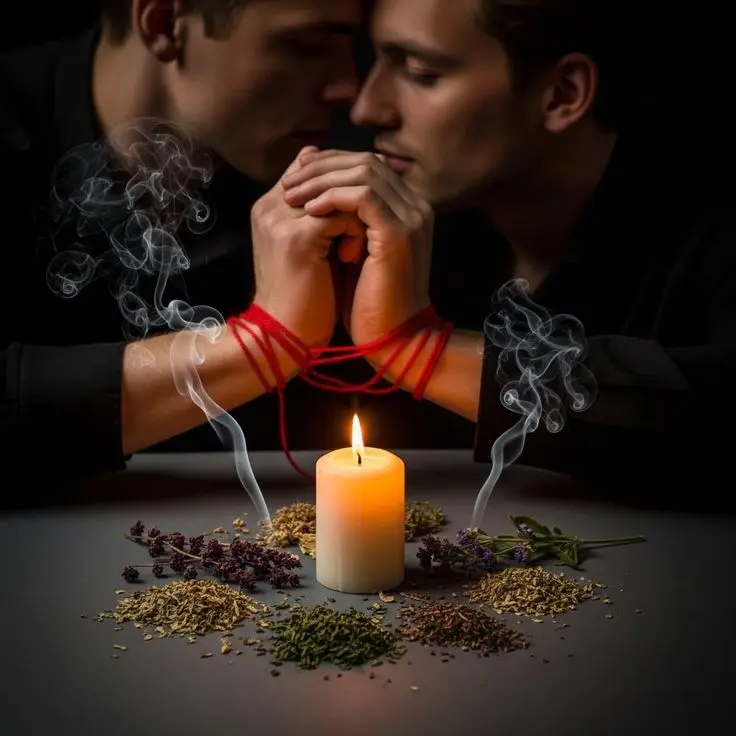
- Symbolic acts, sometimes using natural materials, to mark an intention
- Practical guidance on communication, patience and self-respect
The ritual is one part of a wider process. The conversation and reflection around it are often just as important as the ceremony itself.
Intention, not control
A respectful traditional approach recognises that every relationship involves two people, each with their own choices. No ritual can make someone love you, return to you, marry you or stay with you. Claims that a ritual can override another person’s free will are not part of an honest practice.
What a ritual consultation can offer is support for your side of the relationship. That may mean clarifying what you want, letting go of resentment, opening yourself to new connection, or finding the calm to have a difficult conversation.
This kind of support can be meaningful. Feeling steadier and clearer often changes how a person shows up in their relationships, and that is something within their own power.
If someone has clearly ended contact with you, the respectful path is to accept that choice. Spiritual guidance in that situation focuses on healing and moving forward, not on pursuing the other person.
Why people seek love rituals today
People come to this kind of consultation for many reasons. Some are looking for a partner and want to feel more open and confident. Others are in a relationship that feels strained and want space to reflect. Some simply wish to honour their heritage at an important moment.
For people living far from home, a traditional consultation can also be a way to stay connected to cultural roots. Dr Abdul & Mama Nangobi offer private consultations by WhatsApp or phone for both local and international clients.
Keeping expectations realistic
Traditional practice sits alongside, not in place of, other forms of help. If a relationship involves ongoing conflict, couples counselling or a qualified relationship professional can offer tools that complement spiritual reflection.
If you feel unsafe, or a relationship involves abuse, threats or coercion, please contact local support services or emergency services. Your safety comes before any ritual or consultation.
Disclaimer: Services described on this website are based on traditional, cultural, and spiritual practices. They are not a substitute for medical, legal, financial, or mental-health professional advice, and no specific outcome is guaranteed. Read the full disclaimer