· 3 min read
Traditional Marriage Rituals and Their Cultural Meaning

In many African communities, a marriage is understood as a union of families, not only of two individuals. The rituals that surround it reflect that belief, bringing relatives, elders and sometimes ancestors into an important moment.
This article looks at some widely known elements of traditional marriage, what they mean, and how couples today choose to honour them. Customs differ greatly between communities, so the descriptions here are general rather than specific to any one group. Readers are encouraged to speak with their own elders about the customs of their family.
Marriage as a union of families
Traditional marriage often begins well before a wedding day. Families are introduced, intentions are declared, and relatives take part in conversations about the couple’s future.
This process reflects a shared responsibility. The families are agreeing to support the couple, to help resolve difficulties, and to welcome one another into a wider circle of kinship.
Because of this, elders often play a central role. Their experience is valued, and their counsel is seen as a gift to the couple as they begin married life.
Common elements of traditional marriage
While every community has its own customs, some elements appear widely across the continent:
- Introduction visits, where one family formally meets the other
- Bride-price or dowry negotiations, often led by elders or chosen representatives
- Exchange of gifts that symbolise respect and goodwill
- Words of counsel from elders about marriage and family life
- Blessings, prayers or the acknowledgement of ancestors
- Celebration with food, music and dance
Bride-price and dowry customs are sometimes misunderstood as a transaction. In many traditions, they are better seen as a symbol of commitment and a way of honouring the family the bride comes from.
The details, including what is exchanged and who takes part, vary widely. What many traditions share is the idea that marriage is entered with care, patience and the involvement of those who love the couple.
The spiritual side of marriage rituals
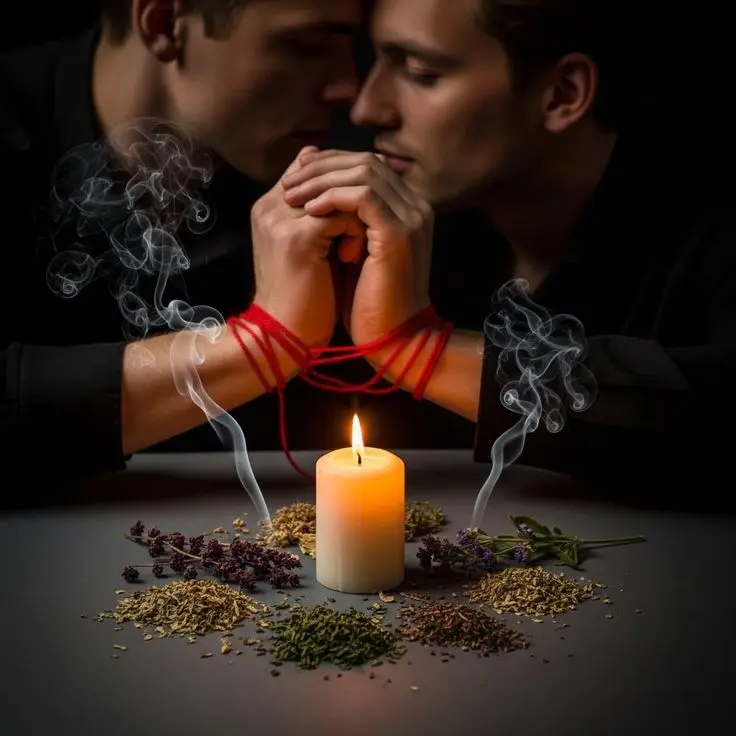
For many families, marriage is also a spiritual event. Blessings may be sought for harmony, children, patience and a peaceful home. Some families acknowledge ancestors, asking for their guidance on the new household.
A spiritual consultation around marriage may involve reflection on readiness, family expectations, and the values a couple want to carry into their life together. It is a form of support and intention-setting, not a guarantee of any particular future.
A marriage rests on the ongoing choices of both partners. Rituals can mark and bless that commitment, but they cannot create it or keep it in place on their own.
Honouring tradition in modern life
Many couples today combine traditional ceremonies with civil or religious weddings. Others live abroad and look for ways to keep cultural customs meaningful when family is spread across countries.
Helpful questions to reflect on include:
- Which customs matter most to each partner and each family?
- How can elders be involved, even from a distance?
- What blessings or intentions do you want to mark together?
Dr Abdul & Mama Nangobi offer private consultations by WhatsApp or phone for couples and families, locally and internationally, who wish to explore the spiritual side of marriage.
Such a consultation might focus on blessing an upcoming ceremony, reflecting on family expectations, or seeking ancestral guidance as a new household begins.
When practical advice is needed
Traditional practice does not replace legal or professional advice. Questions about marriage registration, property or immigration should go to a qualified legal professional, and couples facing ongoing conflict may benefit from couples counselling.
Marriage should always be freely chosen by both people. If anyone feels pressured into a marriage or unsafe in a relationship, local support services can help.
Disclaimer: Services described on this website are based on traditional, cultural, and spiritual practices. They are not a substitute for medical, legal, financial, or mental-health professional advice, and no specific outcome is guaranteed. Read the full disclaimer