· 4 min read
Traditional African Rituals for New Beginnings

New beginnings carry both hope and uncertainty. In many African traditions, families and communities have long marked these moments with ritual: a blessing for a newborn, words of encouragement for a young person leaving home, or a gathering to welcome a new chapter.
This article looks at why these rituals matter, the occasions they often mark and the forms they can take. It is an educational overview, offered with respect for the many different traditions across the continent.
Why new beginnings are marked with ritual
A ritual gives shape to a moment of change. It invites you to pause, reflect on what you are leaving behind and set a clear intention for what comes next.
In many traditions, these moments are also shared. Family members, elders and friends gather to offer blessing and support, reminding the person that they do not begin alone.
The value of the ritual often lies in that sense of connection, gratitude and renewal. Even a short blessing can help a person step into change feeling steadier and more supported.
Occasions that are often marked
New beginning rituals can accompany almost any significant transition. Some common occasions include:
- Moving into a new home
- Starting a new business or venture
- Graduating, or beginning a new stage of study
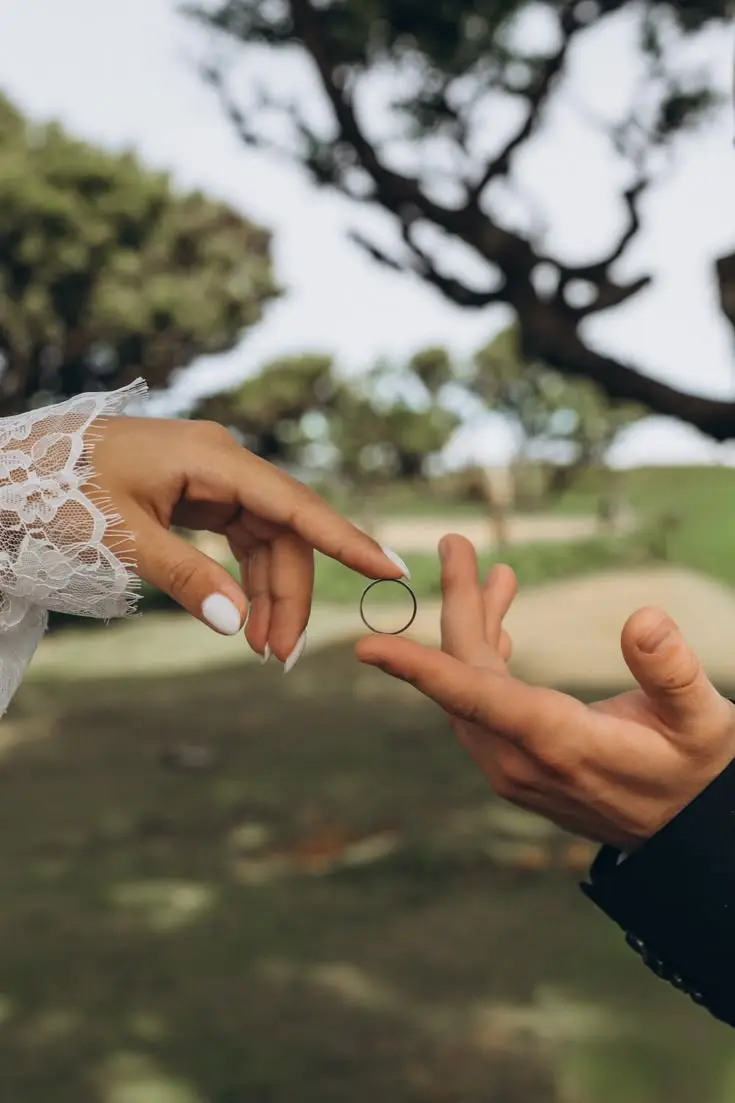
- Marriage and the joining of two families
- The birth of a child
- Starting again after a loss, separation or difficult season
Each occasion may carry its own customs, and these differ from community to community. What they share is a wish to welcome the new chapter with care rather than letting it pass unnoticed.
Some rituals are held on the day itself, while others take place shortly before or after the change, once there is time to gather and reflect. The timing is usually guided by family custom and what feels right for the person.
Common elements of these rituals
While practices vary, many new beginning rituals share a few familiar elements.
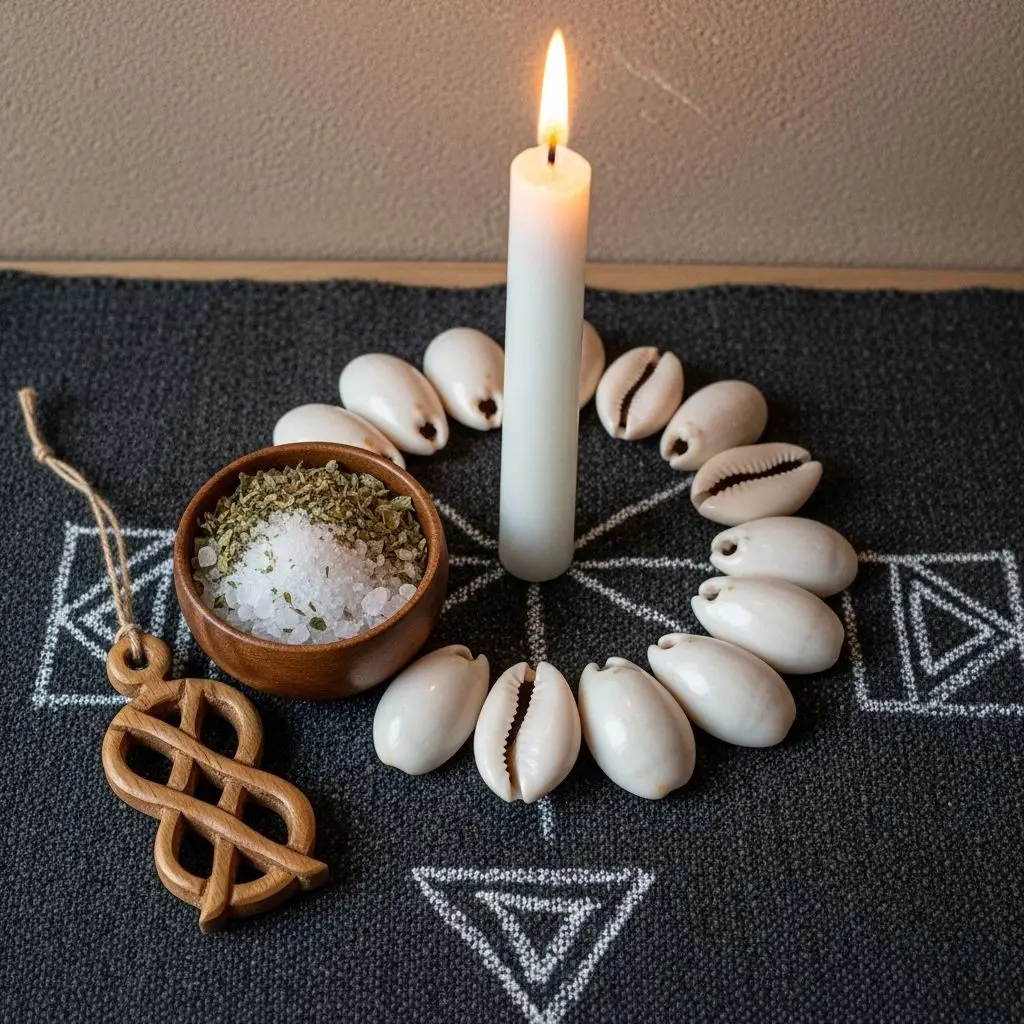
- Cleansing, as a symbolic letting go of the past
- Blessing, spoken by a practitioner, elder or family member
- Remembrance of ancestors and those who came before
- Intention-setting, naming hopes for the chapter ahead
- Gratitude, and often a shared meal or celebration
Not every ritual includes all of these. Some are as simple as a few words spoken at a doorway, while others bring together a whole family for a day of celebration.
Where a ritual involves smoke, herbs or bathing, simple safety matters: good ventilation, care with flames, a skin test for any bath ingredient, and never ingesting anything unless a qualified professional has said it is safe.
Keeping expectations grounded
A new beginning ritual is a meaningful way to mark a transition, but it is not a promise of how that chapter will unfold. Outcomes still depend on many things, including practical planning and the support around you.
For decisions involving health, money or legal matters, it is wise to seek advice from qualified professionals alongside any spiritual guidance.
Many people find that the ritual works best as a starting point. The intention you set can be carried forward through small daily choices, the support of people close to you and a patient attitude towards change.
Finding the right approach for you
Because every person and every tradition is different, it can help to talk through what kind of ritual feels right. A ritual consultation can explain the meaning of different practices and adapt them to your situation and beliefs.
Before a consultation, it may help to reflect on what you are leaving behind, what you hope for and whether you would like family members to take part.
You can contact Dr Abdul & Mama Nangobi by WhatsApp or phone. Consultations are available to local and international clients.
Disclaimer: Services described on this website are based on traditional, cultural, and spiritual practices. They are not a substitute for medical, legal, financial, or mental-health professional advice, and no specific outcome is guaranteed. Read the full disclaimer