· 4 min read
Spiritual Cleansing for Homes: Traditional Perspectives

A home is more than a building. It is where families gather, rest and celebrate, and in many African traditions it is also a place that deserves care and blessing. Cleansing a home is a way of honouring that space and setting an intention for the life lived inside it.
This article looks at why people choose to cleanse and bless a home, the forms this can take and how to do it safely. It is an educational overview rather than a set of instructions or promises.
Why people cleanse and bless a home
Home cleansing is often connected to a moment of change. It marks a transition and invites a sense of peace and renewal.
- Moving into a new house or flat
- After a period of illness, conflict or stress in the household
- When a family member leaves home or returns
- Following a bereavement, as part of mourning and moving forward
- At the start of a new year or season
For many families, the ritual is as much about bringing people together as it is about the space itself. Sharing the moment can help everyone in the household feel part of the fresh start.
Common traditional approaches
Practices differ from one community to another, and a respectful practitioner will take your own background into account. Some approaches you may hear about include:
- Sweeping or washing doorways and thresholds as a symbolic fresh start
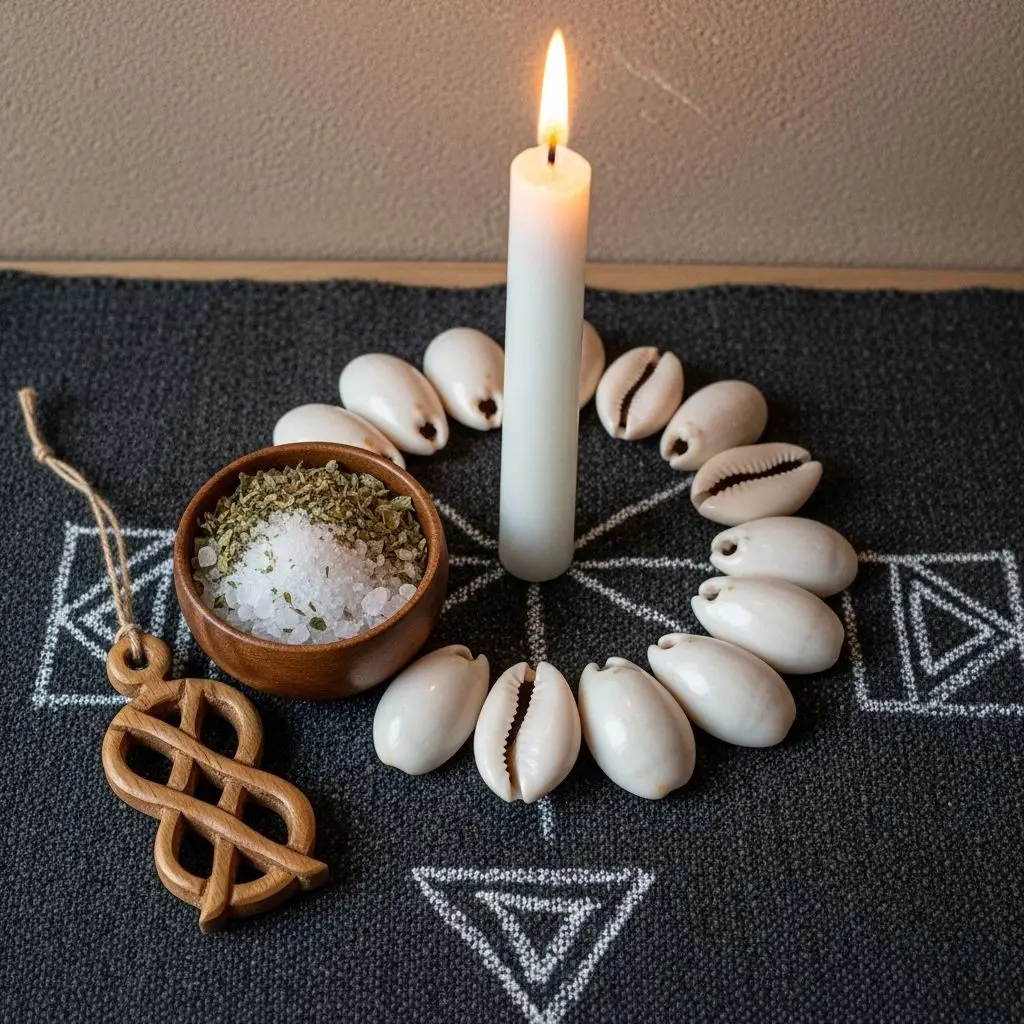
- Smoke cleansing with dried herbs or resins, room by room
- Spoken blessings or prayers for the household
- Placing water, plants or traditional objects in meaningful places
- Gathering family members to share an intention for the home
The meaning of each step matters more than the number of steps. Simple, sincere rituals are often the most meaningful.
Some families prefer to cleanse the whole home at once, while others focus on the entrance, the kitchen or the rooms where people gather most. There is no single right way, and a practitioner can help you choose what suits your household.
Safety in the home
Any ritual that involves fire, smoke or herbs needs care, especially in a lived-in space.
- Open windows and doors so smoke can clear, and avoid enclosed rooms
- Use a heat-proof dish, never leave burning material unattended and make sure embers are fully out afterwards
- Keep smoke and flames well away from curtains, furniture, children and pets
- Be mindful of anyone in the home with asthma, allergies or breathing difficulties
- Do not ingest any herb or preparation unless a qualified professional has said it is safe
- Check smoke alarms are working, and follow any building or tenancy rules on open flames
If a smoke-based ritual is not suitable, water, spoken blessings or quiet reflection can carry the same intention.
Home blessing and practical care
A spiritual blessing can sit comfortably alongside the practical care of a home. Tidying, repairing and making a space comfortable are often part of the same wish for a fresh start.
A home cleansing does not replace practical safety measures such as good locks, working alarms or professional help when something is wrong. It is a traditional practice of renewal and intention, not a guarantee of any outcome.
If there is tension in the household, a blessing can be a gentle way to open a conversation, but honest communication and, where needed, support from a counsellor or other professional remain important.
Asking for guidance
If you would like help choosing an approach that suits your home and your beliefs, a ritual consultation can talk through the options and explain what each practice means.
It helps to think about who lives in the home, whether anyone has health sensitivities and whether you rent or own the property, as these can shape which practices are suitable.
You can contact Dr Abdul & Mama Nangobi by WhatsApp or phone. Consultations are available to local and international clients.
Disclaimer: Services described on this website are based on traditional, cultural, and spiritual practices. They are not a substitute for medical, legal, financial, or mental-health professional advice, and no specific outcome is guaranteed. Read the full disclaimer